
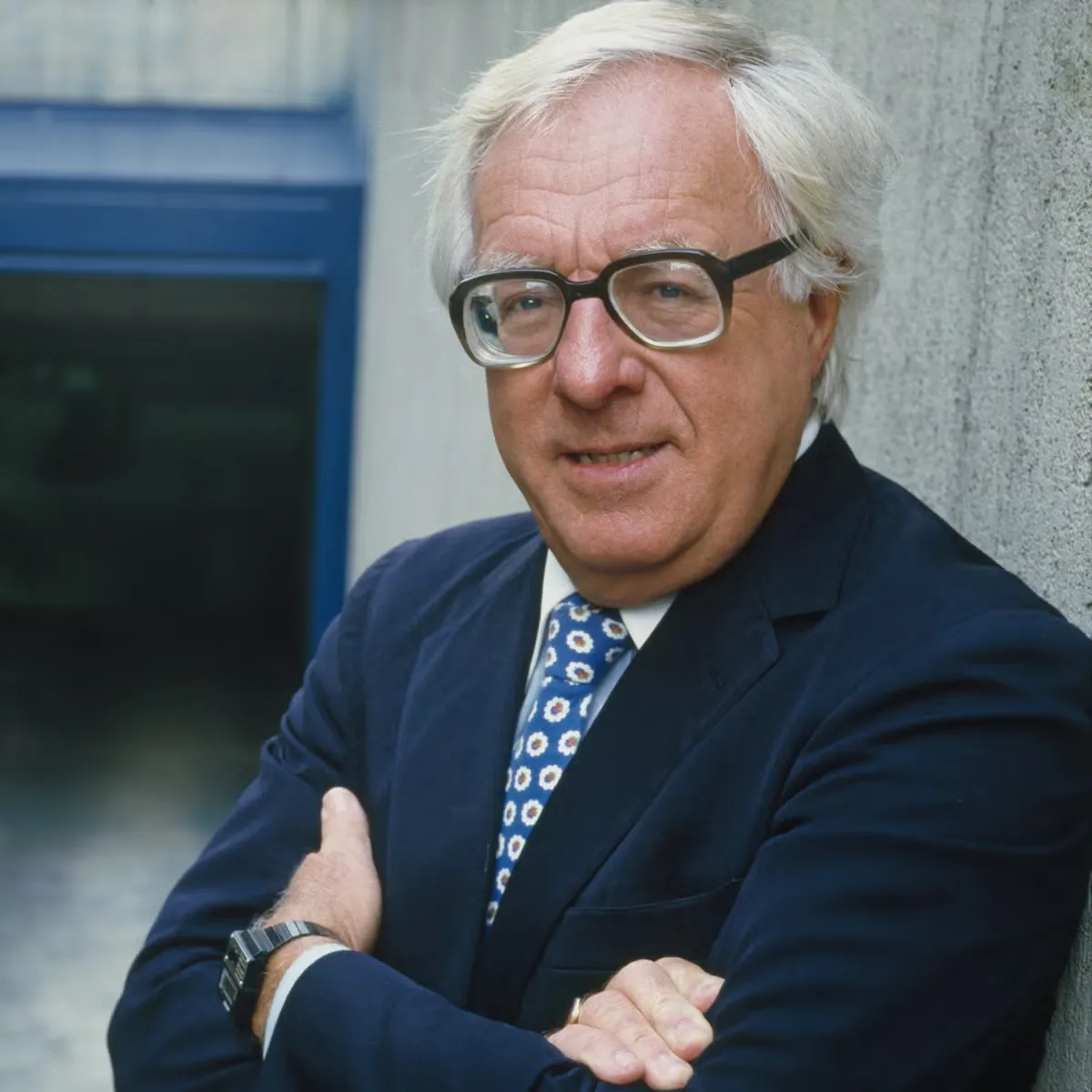
Ray Bradbury Net Worth
Ray Bradbury remains one of the most influential literary figures of the twentieth century, celebrated for his ability to blend science fiction, fantasy, horror, and philosophical inquiry into stories that resonated across generations. Born in 1920 in Waukegan, Illinois, Bradbury’s imagination propelled him to international recognition as the author of Fahrenheit 451, The Martian Chronicles, and Something Wicked This Way Comes. His career spanned over seventy years, during which he not only wrote books but also worked on screenplays, short stories, essays, and even consulted for film and television adaptations. His financial legacy, largely built through book royalties, publishing deals, and adaptation rights, became a subject of interest for fans and scholars alike who wanted to understand how a literary giant of his era translated creativity into wealth.
Net Worth (Latest Figure)
By the time of his passing in June 2012, estimates of Bradbury’s estate placed its value between $30 million and $40 million. This range accounts for his decades of book sales, continuous royalties from bestsellers, film adaptation rights, and his vast literary archive. Unlike modern celebrity authors with massive upfront advances, Bradbury’s fortune grew steadily over time as his works were continuously reprinted and adapted. The figure also included the valuation of his home, personal collections, and intellectual property rights.
Income Sources
Bradbury’s income streams were diverse but primarily rooted in literature:
- Book Sales & Royalties: His most famous works, particularly Fahrenheit 451 and The Martian Chronicles, have sold millions of copies worldwide. Even decades after their publication, these books continue to generate royalties.
- Film & Television Adaptations: Fahrenheit 451 was adapted into a 1966 François Truffaut film and again by HBO in 2018. The Martian Chronicles became a TV miniseries in 1980. Bradbury himself often consulted on these projects, ensuring additional income.
- Short Stories & Magazine Contributions: Bradbury was prolific in the short story format, publishing in magazines like Weird Tales and The Saturday Evening Post. These contributions provided a steady income in his early career.
- Screenwriting & Hollywood Work: Bradbury wrote the screenplay for John Huston’s 1956 adaptation of Moby Dick and contributed to various television projects, including episodes of The Twilight Zone and Alfred Hitchcock Presents.
- Lectures & Public Appearances: Later in life, Bradbury was in demand as a speaker, and appearances at universities, conferences, and literary festivals supplemented his royalty income.
- Intellectual Property Rights: The long-term value of his estate is also tied to the control of his literary works and licensing opportunities, continuing to generate revenue even after his death.
Career Highlights
Bradbury’s literary journey is marked by both critical acclaim and enduring popularity:
- Early Recognition: His short stories in pulp magazines of the 1940s established him as a rising star in speculative fiction.
- The Martian Chronicles (1950): This breakthrough book cemented his reputation as a master of science fiction, blending human colonization of Mars with commentary on human nature.
- Fahrenheit 451 (1953): Perhaps his most famous novel, this dystopian masterpiece tackled censorship, authoritarianism, and the importance of literature.
- Something Wicked This Way Comes (1962): A dark fantasy novel exploring good and evil through the story of two boys and a sinister traveling carnival.
- Hollywood Collaborations: Work on Moby Dick and other screen projects expanded his audience beyond literature.
- Recognition & Awards: Bradbury won a Pulitzer Citation in 2007, a National Medal of Arts, and countless literary honors, securing his place as a cultural icon.
Assets
Bradbury’s assets reflected both his literary career and his lifestyle:
- Real Estate: His longtime Los Angeles home in Cheviot Hills was valued at several million dollars. After his passing, it was eventually sold, contributing to the estate’s valuation.
- Personal Library & Manuscripts: Bradbury was a collector of books, letters, and original manuscripts, many of which carry substantial historical and financial value.
- Film & TV Rights: Ownership of adaptation rights for his major works ensured a continuous revenue stream.
- Intellectual Property: Beyond books, Bradbury’s essays, lectures, and unpublished works represent assets that his estate could monetize through reprints or academic collections.
Liabilities/Debts
Unlike many modern celebrities, Bradbury lived a relatively modest lifestyle and was known for avoiding extravagant spending. There is little evidence of significant debts or liabilities associated with his estate. His careful management and long career meant that his finances remained secure, and he was able to leave behind a substantial fortune without the burden of unpaid obligations.
Net Worth Timeline
- 1940s: Bradbury earned modestly from short stories in pulp magazines. His net worth was minimal but growing.
- 1950s: Publication of The Martian Chronicles and Fahrenheit 451 dramatically increased his earnings through royalties and critical recognition.
- 1960s–1970s: Film and television work, along with continuing book sales, raised his wealth into the millions.
- 1980s: The TV miniseries adaptation of The Martian Chronicles brought renewed royalties and visibility.
- 1990s–2000s: Continued sales of his classic novels and demand for public speaking kept his estate value growing.
- 2012 (Year of Death): Estimated wealth of $30–40 million, largely held in intellectual property, real estate, and publishing rights.
Comparison with Peers
When comparing Bradbury’s fortune with other literary icons:
- Isaac Asimov: A Prolific science fiction writer who earned heavily through both fiction and non-fiction. His net worth is estimated at around $10–15 million at the time of his death, lower than Bradbury’s estate.
- Arthur C. Clarke: Known for 2001: A Space Odyssey, Clarke’s estate was valued at around $20 million, again less than Bradbury’s.
- Philip K. Dick: While highly influential, Dick struggled financially during his lifetime, and only posthumously did his works generate substantial revenue.
- Stephen King: A modern giant, King’s wealth exceeds $400 million, far surpassing Bradbury, reflecting the changing economics of publishing and media adaptations.
- Rick Leventhal Net Worth: While not a literary figure, comparisons to modern public personalities highlight how wealth across professions can vary dramatically, offering readers context for Bradbury’s legacy.
Future Predictions
Although Bradbury passed away in 2012, his financial legacy continues:
- Continued Book Sales: Fahrenheit 451 remains a staple in schools and universities, ensuring ongoing royalties.
- Film & TV Adaptations: Renewed interest in dystopian and science fiction stories makes further adaptations likely.
- Estate Management: His heirs and estate managers will likely continue to license his works for stage plays, films, and digital editions.
- Cultural Legacy: As censorship, technology, and human exploration remain central themes, Bradbury’s relevance ensures his estate will remain financially valuable for decades.
Personal Life
Bradbury was married to Marguerite McClure from 1947 until her passing in 2003. The couple had four daughters. Known for his boundless imagination, Bradbury often credited his wife with being the practical foundation of his life. Despite his fame, he lived modestly, focusing on writing rather than indulgence. He never obtained a driver’s license, preferring to rely on public transport or his bicycle. His personal philosophy valued creativity and humanity above materialism, which is reflected in his body of work and his approach to wealth.


