Chuck Mangione Net Worth
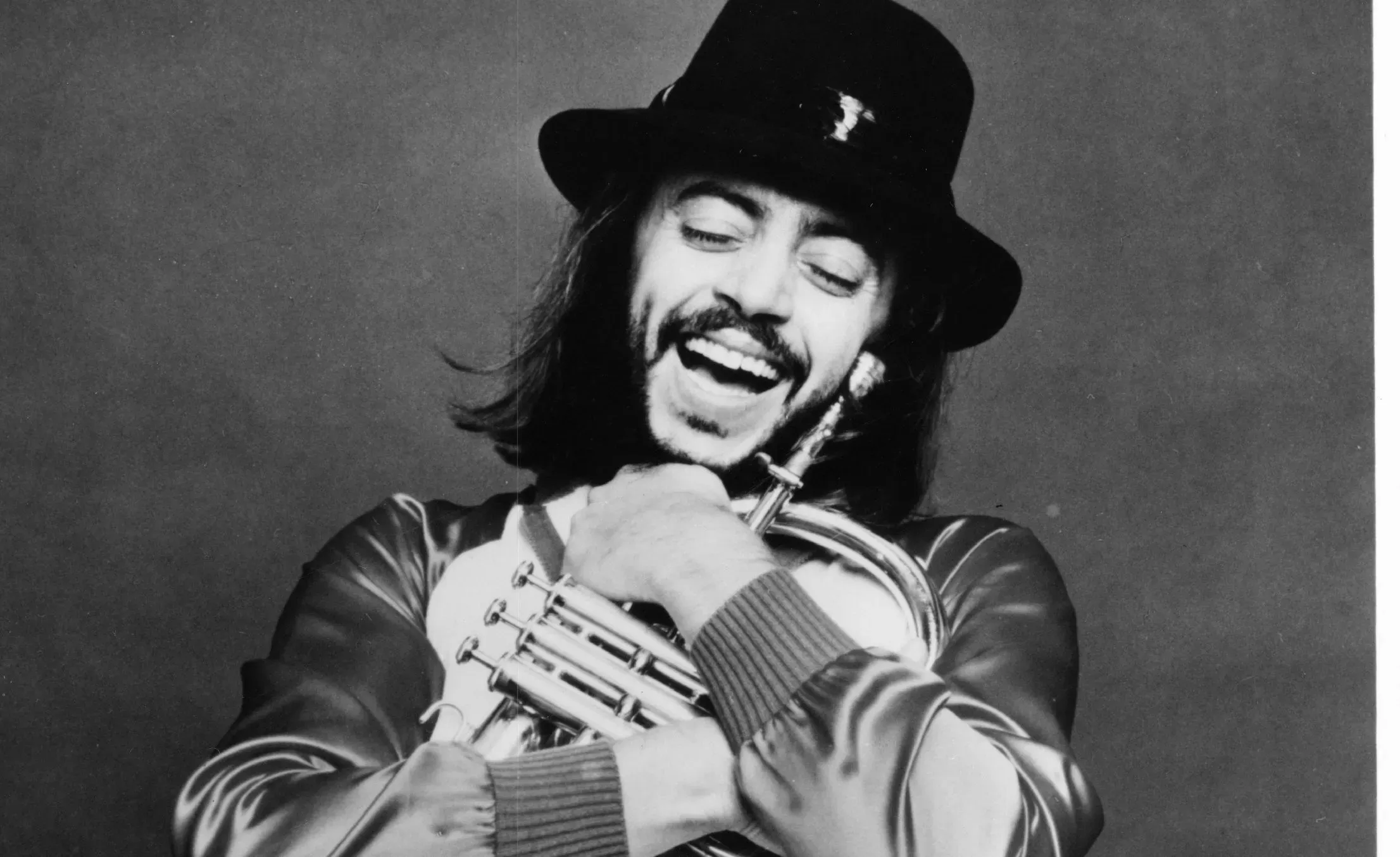
Charles Frank Chuck Mangione is one of the most recognisable names in American jazz. Known for his signature flugelhorn sound and the timeless hit Feels So Good, Mangione’s career spans over six decades of musical excellence. As a composer, bandleader, and performer, he helped bridge the gap between mainstream pop and smooth jazz, turning instrumental music into chart-topping success. His influence extends far beyond the 1970s; his compositions continue to inspire new generations of jazz and fusion musicians worldwide.
While his soft-spoken charm and melodic phrasing made him a household name, his financial success tells a different story of persistence, creative control, and longevity. Today, Chuck Mangione’s net worth reflects a lifetime of musical mastery, business acumen, and a legacy that still resonates in the jazz world.
Net Worth
As of 2025, Chuck Mangione’s estimated net worth is approximately $10–12 million. This figure represents his cumulative earnings from record sales, touring, royalties, and decades of music licensing. Although Mangione retired from active performing in the 2010s, the residual income from his extensive catalogue, particularly Feels So Good and other classics, continues to generate significant passive revenue through digital streaming, radio play, and sync licensing in TV and film.
Unlike contemporary artists who rely heavily on endorsements or merchandise, Mangione’s wealth primarily stems from the traditional structures of the music industry: royalties, live concerts, and publishing rights. His financial portfolio remains strong thanks to prudent investment choices and consistent royalties from timeless music loved across generations.
Income Sources
Chuck Mangione’s financial foundation is built on multiple streams of income developed over decades:
1. Music Sales and Royalties
Mangione’s early albums with Mercury and A&M Records sold millions worldwide. Feels So Good alone became one of the best-selling instrumental singles of all time. Over the years, he earned steady royalties from record sales, CD reissues, digital downloads, and streaming platforms such as Spotify and Apple Music.
2. Touring and Live Performances
During the late 1970s and early 1980s, Mangione toured extensively across the United States and internationally. His concerts often sold out major venues, contributing substantial income from ticket sales and merchandise.
3. Compositions and Licensing
His compositions have been featured in films, commercials, and television series, further adding to his income. Mangione’s works have appeared in productions ranging from sports broadcasts to sitcoms, introducing his music to newer audiences while earning him performance royalties.
4. Investments
Later in life, Mangione diversified his earnings through low-risk investments, including real estate and bonds. He is known to have maintained several residential and rental properties, which appreciate in value and generate steady rental income.
5. Guest Appearances and Collaborations
Although semi-retired, Mangione occasionally made guest appearances and collaborated on select projects, earning modest fees that contributed to his ongoing income.
Career Highlights
Chuck Mangione’s career reads like a history of modern jazz itself.
Born in Rochester, New York, in 1940, Mangione was raised in a family that valued music. He and his brother, Gap Mangione, both became respected musicians, forming The Jazz Brothers in the late 1950s, a regional success that earned critical praise.
In the late 1960s, Mangione joined Art Blakey’s Jazz Messengers, a career-defining moment that placed him among the elite circle of American jazz musicians. His unique flugelhorn style, softer than the trumpet yet rich and expressive, helped him carve a distinctive niche in the jazz fusion genre.
The 1977 release of Feels So Good was a turning point. The instrumental track reached No. 2 on the Billboard Hot 100, a rare achievement for a jazz composition. Its smooth blend of melody, groove, and warmth made it a cultural touchstone of the 1970s.
Following this success, Mangione received multiple Grammy Awards, including recognition for Best Pop Instrumental Performance. He went on to compose for films and TV shows and performed at the 1980 Winter Olympics, solidifying his reputation as a global ambassador of American jazz.
Even as musical trends changed, Mangione’s songs remained radio staples and are still sampled and played in modern productions, a testament to their timelessness.
Assets
Over the decades, Chuck Mangione accumulated a range of valuable assets that reflect both his success and his conservative financial style.
1. Real Estate
Mangione owns a primary residence in Rochester, New York, and has been linked to additional properties in upstate New York and Arizona. His real estate investments are not flashy but reflect long-term stability, properties that have appreciated significantly over the years.
2. Musical Instruments
His flugelhorn collection, which includes rare and custom-made models, is estimated to be worth thousands of dollars. For a musician, these are not only tools of the trade but historical artifacts linked to his career.
3. Royalties and Publishing Rights
The rights to his compositions are among his most valuable assets. Music publishing has become a major financial pillar for artists of his era, and Mangione’s catalogue continues to generate revenue through licensing, streaming, and cover versions.
4. Other Investments
He reportedly holds investments in mutual funds and retirement portfolios managed through financial advisors. Mangione’s cautious approach has ensured consistent returns without risk-heavy ventures.
Liabilities or Debts
There is no publicly known record of significant debts or liabilities associated with Chuck Mangione. His reputation for modest living and financial prudence has allowed him to maintain stability even during periods when the jazz industry saw declines. Unlike many celebrities, Mangione avoided lavish overspending, relying instead on the steady flow of royalties and a well-managed investment portfolio.
Net Worth Timeline
| Year | Estimated Net Worth | Key Factors |
| 1970 | $2 million | Breakthrough success with Feels So Good |
| 1980 | $6 million | Touring and record sales peak |
| 1990 | $8 million | Consistent royalties, film work |
| 2000 | $9 million | Digital reissues and licensing deals |
| 2010 | $10 million | Streaming resurgence and catalogue income |
| 2025 | $10–12 million | Passive royalties, investments, and legacy income |
Mangione’s wealth grew steadily rather than explosively, reflecting decades of consistent creative output and a financially disciplined lifestyle.
Comparison with Peers
When compared to other jazz legends, Mangione’s fortune stands comfortably in the mid to upper range. Artists like Herb Alpert have accumulated significantly higher fortunes due to business ventures and record label ownership, while others remain below Mangione’s level due to the niche nature of jazz.
His consistent earnings from publishing and licensing mirror the steady growth seen in similar artists who sustained long-term popularity without mainstream pop fame.
In contrast, younger musicians in other genres, such as rock bassist Johnny Christ’s Net Worth, may achieve rapid financial growth from touring and merchandise, but Mangione’s wealth represents the classic artist’s journey: steady, organic, and rooted in creative longevity rather than trend cycles.
Future Predictions
Chuck Mangione’s financial future remains strong thanks to the enduring value of his music.
Even in retirement, his catalogue continues to gain new listeners through digital platforms, ensuring a consistent flow of royalty income. Music licensing opportunities for his songs in films, commercials, and nostalgic media are expected to continue growing.
Given the renewed global interest in 1970s and 1980s instrumental music, experts predict Mangione’s catalogue valuation could rise over the next decade. The jazz streaming niche is expanding, and many of his compositions are included in curated playlists, further enhancing his legacy and financial standing.
While he may not actively perform anymore, Mangione’s intellectual property will remain his most powerful financial asset for years to come.
Personal Life
Chuck Mangione’s personal life reflects the humility and warmth that define his music. He has largely stayed out of tabloid headlines, preferring a quiet lifestyle centred around family, music education, and community involvement.
Born to Italian-American parents, Mangione grew up surrounded by a love of melody and tradition. He often credits his upbringing for shaping his musical sensibility. Even at the height of fame, he remained connected to Rochester, supporting local music programs and mentoring young musicians.
Mangione’s brother, Gap, continues to perform jazz, and the two occasionally appear together for special events, a testament to their lifelong musical bond.
Known for his signature hat and affable demeanour, Mangione became a cultural figure who represented the soul of American jazz with both grace and joy.
Final Thought
Chuck Mangione’s journey from a young Rochester musician to an international jazz icon is a story of dedication, melody, and mastery. His music transcended genre boundaries, appealing to both jazz purists and mainstream audiences. Financially, his career demonstrates the power of timeless art and prudent management, showing how enduring talent can sustain wealth across decades.
Today, as new listeners rediscover his classic hits, Mangione’s influence continues to expand. His $10-12 million net worth in 2025 is more than a measure of money; it’s a reflection of artistic integrity, cultural impact, and a lifelong commitment to the beauty of sound.