
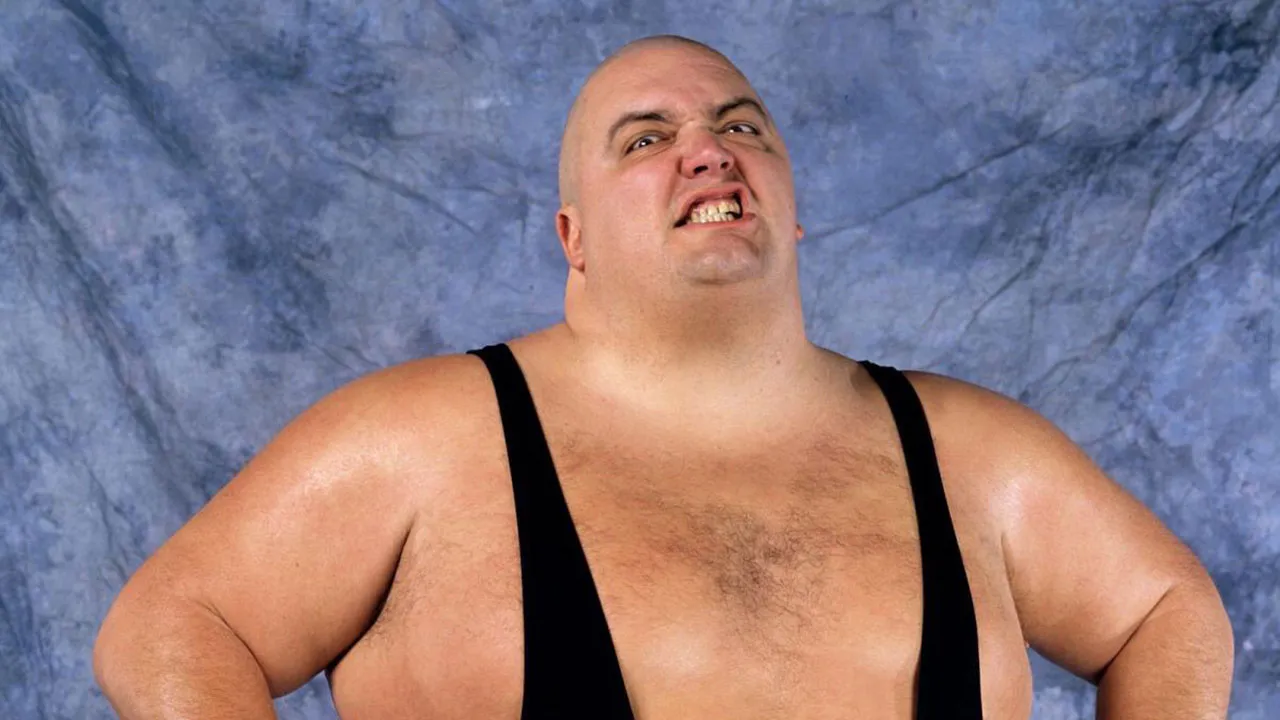
King Kong Bundy Net Worth
Christopher Alan Pallies, better known to the world as King Kong Bundy, was one of the most recognizable names in professional wrestling during the 1980s. Standing 6’4 and weighing in at well over 400 pounds, his massive frame and bald menace earned him the nickname The Walking Condominium. Bundy was not just another grappler; he was a pop culture villain, the kind of wrestler who could draw heat from a crowd like few others in his era.
Bundy gained worldwide fame as part of Vince McMahon’s WWF expansion, where he headlined major events, including a cage match against Hulk Hogan at WrestleMania Two. His presence in the squared circle, paired with his intimidating size, made him a box-office draw during wrestling’s golden era. Even those who did not follow wrestling closely often knew him from appearances on TV shows like Married. With Children and in commercials, he further solidified his reputation beyond the ring.
Though Bundy passed away in March 2019, his financial life and career remain topics of interest. Fans continue to ask questions about how much he earned during his wrestling days, what he owned, and how his wealth compares to other legends of the ring.
This article takes a deep dive into his earnings, career highlights, assets, financial challenges, and legacy, offering a comprehensive view of King Kong Bundy’s monetary journey.
Net Worth Latest Figure
At the time of his passing in March 2019, estimates placed King Kong Bundy’s Net Worth at approximately $1 million to $1.5 million. Unlike modern-day wrestling superstars who earn millions through guaranteed contracts, endorsements, and streaming royalties, Bundy’s wealth reflected the realities of an earlier era in wrestling where financial planning and residual income were limited.
The figure represents not only his wrestling salaries but also his appearances in movies, television, and wrestling conventions in his later years. Compared to other iconic wrestlers from the 1980s boom, Bundy’s wealth might seem modest, but context is key: wrestlers in his era were often paid per event, lacked corporate sponsorship deals, and did not receive the long-term royalties that performers today enjoy.
Income Sources
1. WWF Contracts and Match Earnings
Bundy’s most significant income came during his years with the World Wrestling Federation, now WWE. Wrestlers in the 1980s were often paid based on ticket sales and the size of the gate. As a main-event performer who battled stars like Hulk Hogan, André the Giant, and Big John Studd, Bundy earned a premium compared to mid-card talent.
2. Merchandise and Promotions
Bundy was featured in action figures, posters, and trading cards during the wrestling merchandise boom. While royalties were smaller than what wrestlers receive today, this was an important secondary stream.
3. Television and Film Roles
Bundy crossed into mainstream entertainment, making guest appearances on Married… With Children and other programs. He also appeared in commercials, leveraging his intimidating image for comic effect.
4. Independent Wrestling and Appearances
After leaving the WWF, Bundy wrestled on the independent circuit, where he commanded significant fees as a former star. He also regularly attended wrestling conventions, autograph signings, and fan meet-and-greets, which became a reliable source of income later in life.
5. Comedy and Public Speaking
Few fans realize that Bundy dabbled in stand-up comedy and public speaking. While not as financially rewarding as wrestling, these gigs demonstrated his ability to reinvent himself and maintain a livelihood outside of the ring.
Career Highlights
- Early Career: Bundy began wrestling in the late 1970s, competing in various regional promotions. His size and character quickly made him a standout.
- WWF Stardom: His 1985 debut in the WWF was timed perfectly with Vince McMahon’s national expansion. Bundy’s squash matches, where he demanded a five-count pinfall, became a signature act.
- WrestleMania II 1986: Bundy’s greatest claim to fame was headlining WrestleMania II in a steel cage match against Hulk Hogan for the WWF Championship. This cemented him as one of the top villains of the era.
- Feuds with Wrestling Icons: His rivalries with Hogan, André the Giant, and The Undertaker kept him in the spotlight.
- Return in the 1990s: Bundy reappeared in the WWF in the mid-90s as part of Ted DiBiase’s Million Dollar Corporation, introducing him to a new generation of fans.
- Entertainment Roles: His crossover into television brought him recognition even outside wrestling circles.
Assets
While Bundy never flaunted a celebrity lifestyle, reports suggest he owned modest real estate in New Jersey. His home reflected his preference for a low-profile life outside of wrestling.
Real Estate
- Bundy was believed to own property in Atlantic City, his hometown.
- His estate passed to his family after his death.
Vehicles
As with many wrestlers of his generation, he owned a selection of cars, but not in the lavish, collectible style often associated with today’s stars.
Businesses
Unlike some of his peers, Bundy did not establish wrestling schools or major companies. His earnings largely came from performance and appearances rather than entrepreneurial ventures.
Liabilities and Debts
Public records do not indicate Bundy left behind significant debt. However, many wrestlers from his era struggled with financial security due to the absence of long-term contracts, health insurance, or pension plans. It’s possible that Bundy, like many peers, faced financial fluctuations, especially in retirement.
Net Worth Timeline
- 1980s Peak WWF Years: Bundy was at the height of his fame and likely earning six-figure paydays from marquee matches.
- 1990s: After leaving WWF, his income dipped, supplemented by indie bookings and brief returns.
- 2000s: Conventions, autograph sessions, and comedy appearances provided a steady but smaller income.
- 2010s Final Years: Continued making public appearances, though his wealth remained modest compared to modern wrestling stars.
Comparison with Peers
When compared with wrestlers from the same era, Bundy’s financial standing was lower than megastars like Hulk Hogan, Ric Flair, or André the Giant. Hogan, for example, leveraged his mainstream fame into movies, endorsements, and a far more lucrative career.
Wrestlers like Big John Studd and Bam Bam Bigelow had comparable financial trajectories, relying on bookings and limited royalties. Interestingly, peers such as Arn Anderson’s Net Worth reflect a similar pattern: strong in-ring careers but without the crossover financial opportunities that superstars like Hogan or The Rock later enjoyed.
Future Predictions
Although Bundy himself is no longer alive, his estate continues to benefit from:
- WWE royalties from old footage, especially through the WWE Network and streaming services.
- Merchandise sales, including retro action figures, T-shirts, and collectibles.
- Documentaries and books about wrestling’s golden age, where his image and matches are frequently featured.
His legacy ensures that future generations of wrestling fans will continue to know his name, even if his estate’s financial value remains moderate compared to wrestling’s biggest stars.
Personal Life
Born in Atlantic City, New Jersey, on November 7, 1955, Christopher Alan Pallies grew up in a working-class family. He was known for his sharp wit, humor, and warm personality away from the ring, traits that contrasted with his monstrous on-screen persona.
He never married publicly, and information about his personal relationships remains limited, reflecting his desire to keep family life private. Friends and colleagues remembered him as a loyal and funny individual who enjoyed making others laugh.
Bundy passed away on March 4, 2019, at the age of 63. His death was mourned by fans worldwide, and tributes poured in from wrestlers across generations.
Final Thought
King Kong Bundy’s financial journey paints a picture of wrestling’s earlier era—where fame did not always translate into lasting fortune. With an estimated wealth of around $1 to $1.5 million at the time of his death, Bundy’s life serves as a reminder of both the opportunities and limitations faced by performers before the modern wrestling boom. His enduring presence in wrestling history ensures that, while his net worth may not rival today’s stars, his legacy remains priceless.


