
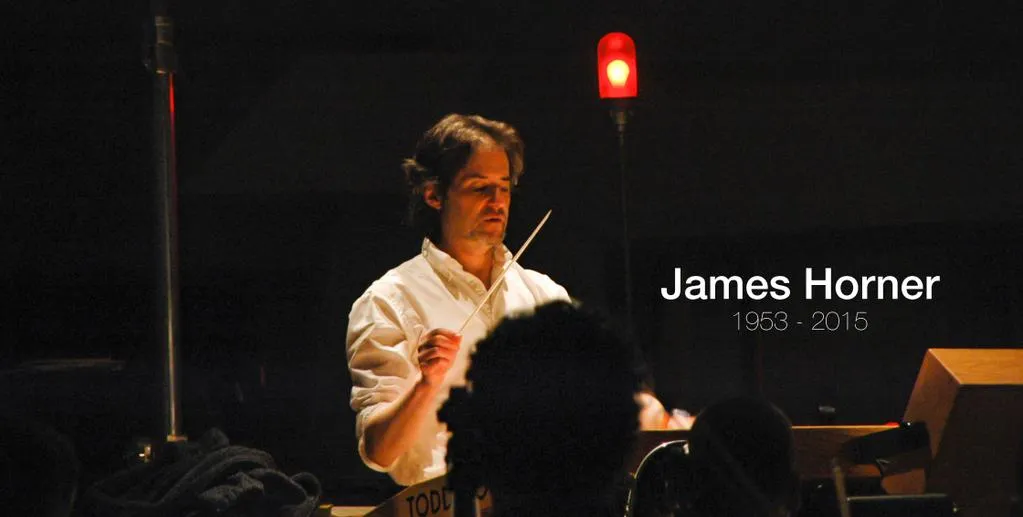
James Horner Net Worth
James Horner was an iconic American composer and conductor, renowned for his evocative film scores that have left a lasting imprint on the world of cinema. Born on August 14, 1953, in Los Angeles, California, Horner demonstrated a passion for music from a young age. His extraordinary ability to blend classical orchestration with electronic elements allowed him to create soundscapes that heightened the emotional depth of films. Horner is perhaps best known for his work on blockbuster hits like Titanic, Avatar, and Braveheart, earning him worldwide recognition and multiple awards. Beyond his cinematic success, Horner’s influence continues to inspire composers and musicians globally.
Net Worth Latest Figure
As of October 2025, James Horner’s Net Worth is estimated to be around $60 million. This valuation reflects his decades-long career composing for some of Hollywood’s most iconic films, coupled with royalties from music sales, streaming, and licensing deals.
Income Sources
James Horner’s wealth primarily stemmed from:
- Film Scores: Horner composed scores for over 100 films, with blockbuster successes like Titanic generating substantial royalties.
- Music Sales & Streaming: Albums featuring his soundtracks sold millions of copies worldwide.
- Awards & Commissions: Recognition and commissions from film studios and orchestras added to his earnings.
- Investments: Horner invested in music rights and real estate, further boosting his financial portfolio.
Career Highlights
James Horner’s career spanned over three decades, marked by numerous milestones:
- Early Career: Horner’s first major film score was Star Trek II: The Wrath of Khan (1982), which gained critical acclaim for its thematic complexity.
- Breakthrough: His score for Braveheart (1995) earned him widespread recognition and his first Academy Award nomination.
- Titanic (1997): Horner won two Academy Awards for Best Original Score and Best Original Song (My Heart Will Go On), solidifying his status as one of Hollywood’s top composers.
- Avatar (2009): His music for James Cameron’s sci-fi epic received global praise, showcasing his ability to merge orchestral and electronic elements.
- Other Notable Works: A Beautiful Mind, Apollo 13, and The Land Before Time contributed to his reputation for emotional and memorable compositions.
Assets
Horner’s financial portfolio included:
- Real Estate: Ownership of luxury homes in Los Angeles and Malibu.
- Music Rights & Royalties: Rights to numerous film scores and soundtracks ensured a consistent income stream.
- Luxury Vehicles: Reports indicate a collection of high-end vehicles, though specifics remain private.
- Investments: Horner diversified into music-related assets and long-term savings accounts.
Liabilities and Debts
There are no publicly reported debts or financial liabilities associated with James Horner, indicating prudent management of his wealth.
Net Worth Timeline
- 1980s: Early career work, modest earnings from smaller films and orchestral compositions.
- 1990s: Major career growth with Braveheart and Titanic, leading to multi-million-dollar royalties.
- 2000s: Continued success with A Beautiful Mind, Avatar, and international commissions.
- 2010s: Sustained income through royalties, licensing, and music rights management.
- 2020s: Legacy continues to generate passive income through soundtracks, albums, and streaming platforms.
Comparison with Peers
James Horner’s net worth and career achievements place him among the top echelon of film composers. Compared to contemporaries like Hans Zimmer and John Williams, Horner’s style was more emotionally melodic, and while his total net worth was slightly lower than some of his peers, his influence and award-winning compositions were comparable. Similar industry professionals, such as Thom Beers’ Net Worth, illustrate how creative figures in film and media can amass wealth through multiple avenues, blending production, scoring, and royalties.
Future Predictions
Although James Horner passed away tragically in 2015, his musical legacy continues to impact new generations. Future income from streaming platforms, film re-releases, and digital sales will likely maintain his estate’s net worth. Posthumous honors, remastered works, and tribute concerts could further enhance both his recognition and financial legacy. Music historians predict that his compositions will remain a benchmark in cinematic scoring, influencing composers for decades to come.
Personal Life
James Horner was married twice and had three children. He maintained a relatively private life, focused on family and music. Known for his humility and dedication to craft, Horner also pursued philanthropic efforts in education and music programs, often supporting aspiring composers and musicians. His personal life reflected his deep passion for music and a desire to leave a lasting cultural impact.


