
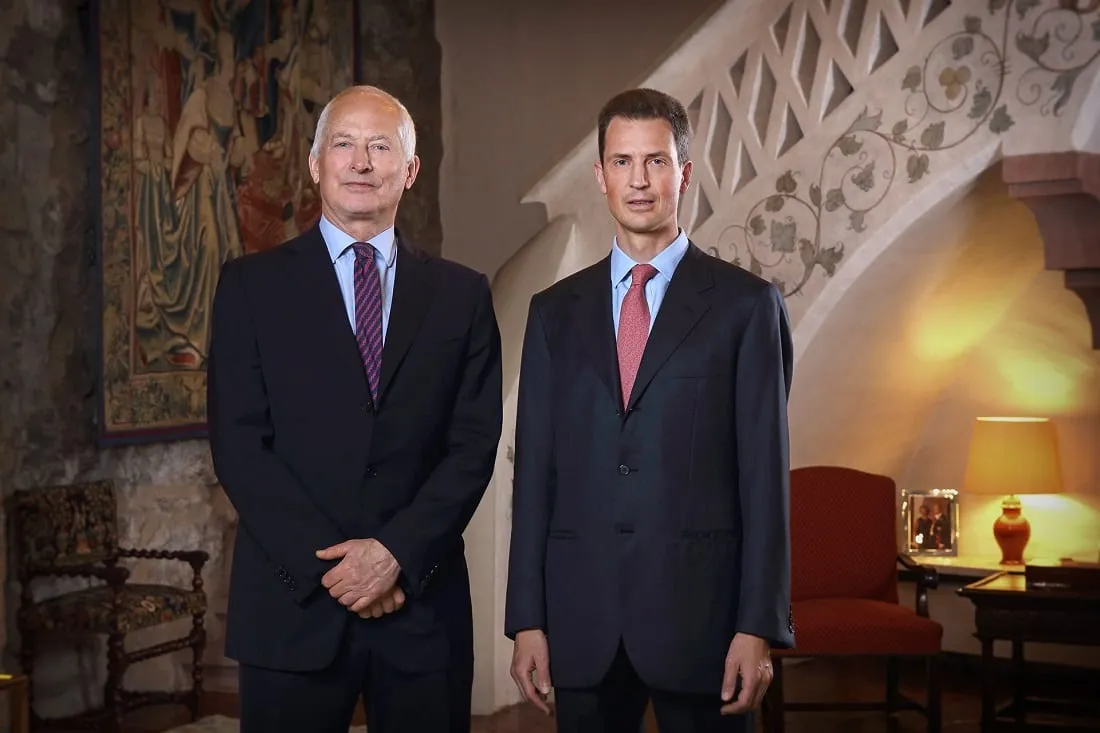
Prince of Liechtenstein Net Worth
The Prince of Liechtenstein, Hans-Adam II, is one of the most influential and wealthy monarchs in Europe. Born on February 14, 1945, in Zurich, Switzerland, he ascended to the throne in 1989 after the abdication of his father, Prince Franz Joseph II. Hans-Adam II is widely recognized for modernizing the principality, expanding its financial and cultural influence, and maintaining the legacy of the Liechtenstein royal family. He is also known internationally for his involvement in global banking through the LGT Group, a family-owned private banking and asset management conglomerate.
Throughout his reign, Hans-Adam II has been a key figure in the economic development of Liechtenstein, one of the world’s wealthiest microstates. His keen investment strategies, combined with his role in various foundations and businesses, have solidified his status as one of Europe’s most financially accomplished royals.
Net Worth Latest Figure
As of 2025, the Prince of Liechtenstein’s Net Worth is estimated to be around $6 billion. This wealth is primarily attributed to the royal family’s holdings in banking, real estate, and various international business ventures. Hans-Adam II consistently ranks among the richest royals globally, with a fortune that has grown steadily due to careful investments and strategic asset management.
Income Sources
The Prince’s wealth is diversified across multiple channels:
- LGT Group: As the owner of LGT Group, Hans-Adam II controls one of the largest private banking and asset management institutions in Europe. This generates substantial annual income through banking fees, investments, and global financial services.
- Real Estate: Extensive properties in Liechtenstein, Austria, and Switzerland contribute significant value to his fortune. Notable estates include Vaduz Castle, Wilfersdorf Castle, and other historical family holdings.
- Business Ventures: Hans-Adam II has interests in various companies, including RiceTec and several investment funds. These businesses provide long-term returns and strategic influence in multiple industries.
- Art & Cultural Investments: The Prince maintains an impressive collection of art and cultural assets through the Prince of Liechtenstein Foundation, which also supports museums and heritage sites.
- Endorsements & Partnerships: Although low-profile compared to other royals, certain collaborations in finance and philanthropy provide additional income streams.
Career Highlights
- Ascension to the Throne (1989): Hans-Adam II became Prince of Liechtenstein after his father’s abdication, marking the beginning of a new era for the principality.
- Constitutional Reform (2003): Successfully secured expanded powers for the monarchy through a national referendum, strengthening his influence in state affairs.
- Modernization of LGT Group: Under his stewardship, the family bank expanded globally, with offices across Europe, Asia, and the Americas.
- Philanthropy and Cultural Contributions: Established numerous foundations supporting arts, education, and conservation, reinforcing the royal family’s social impact.
- International Recognition: Widely respected for combining traditional royal duties with modern business acumen, often cited in financial and royal wealth publications.
Assets
Hans-Adam II’s tangible and intangible assets include:
- Real Estate: Vaduz Castle (Liechtenstein), Wilfersdorf Castle (Austria), Liechtenstein Garden Palace, and various estates across Europe.
- Cars: A luxury car collection including models from Mercedes-Benz, Rolls-Royce, and Porsche.
- Companies: LGT Group, RiceTec, and multiple international investment ventures.
- Art & Cultural Holdings: Extensive art collection housed in the Liechtenstein Museum and private galleries.
- Other Assets: Private jets, yachts, and diversified financial portfolios.
Liabilities or Debts
While the Prince’s wealth is substantial, there are no publicly reported personal debts or financial liabilities. Most of the family’s holdings are structured through trusts and foundations, minimizing exposure to risk and taxation.
Net Worth Timeline
- 1989: Ascended the throne; estimated net worth $3.5 billion.
- 1995: Expansion of LGT Group; net worth rose to $4 billion.
- 2005: Consolidation of family businesses; net worth approximately $4.8 billion.
- 2015: Global investments and real estate growth; net worth $5.2 billion.
- 2025: Current estimation: $6 billion.
Comparison with Peers
Hans-Adam II stands out among European royals for his combination of political influence and financial acumen. Compared to peers:
- Prince Albert II of Monaco: Estimated net worth $1 billion, primarily from family holdings and real estate.
- King Harald V of Norway: Estimated net worth $30 million, largely derived from royal allowances.
- Queen Elizabeth II (historic): $500 million at the time of passing, though she had access to additional sovereign assets.
In this context, Hans-Adam II is among the wealthiest active monarchs in Europe, with his fortune rivaling major European royal families.
Future Predictions
Financial analysts and royal watchers suggest:
- LGT Group Expansion: Continued growth in Asia and North America could increase the Prince’s net worth significantly.
- Real Estate Value Appreciation: Historic estates and strategic acquisitions may further elevate asset value.
- Cultural Investments: Continued donations and foundations will maintain social influence while indirectly enhancing financial standing.
- Succession Planning: Crown Prince Alois, heir apparent, may assume partial management of the royal holdings, potentially diversifying future investments.
Personal Life
Hans-Adam II married Princess Marie of Liechtenstein in 1967, and the couple has four children: Crown Prince Alois, Prince Maximilian, Prince Constantin, and Princess Tatjana.
The Prince is known for his passion for art, history, and architecture. He regularly participates in cultural events, philanthropy, and heritage preservation projects, blending royal tradition with modern responsibilities. Despite his immense wealth, he maintains a relatively private lifestyle, rarely seeking media attention outside of official duties.


