
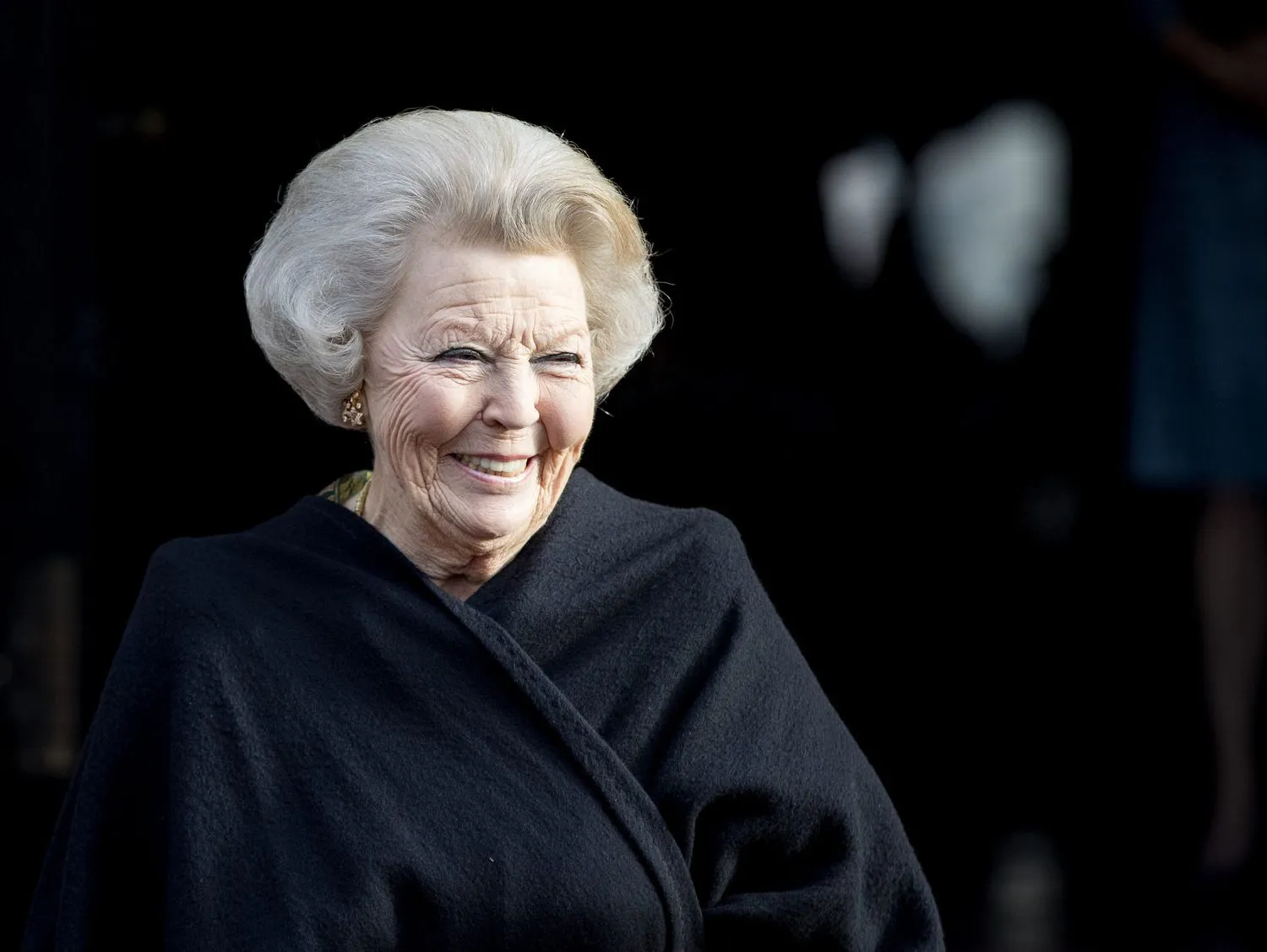
Queen Beatrix Net Worth
Queen Beatrix of the Netherlands, born Beatrix Wilhelmina Armgard on January 31, 1938, is a renowned European monarch who ruled as the Queen of the Netherlands from 1980 until her abdication in 2013. As the daughter of Queen Juliana and Prince Bernhard of Lippe-Biesterfeld, Beatrix grew up in the public eye, learning early the responsibilities of royalty. Known for her poise, intelligence, and dedication to public service, she became one of the most respected monarchs in modern European history. Her reign saw major political and social changes, including the dissolution of the Netherlands Antilles and the modernization of the Dutch royal family’s role in society.
Beatrix is celebrated not only for her leadership but also for her contributions to philanthropy, cultural development, and maintaining the Dutch monarchy’s public trust. Her personal wealth, accumulated through inheritance, royal allowances, investments, and careful financial management, has often been a topic of interest among historians, economists, and royalty enthusiasts.
Net Worth Latest Figure
As of 2025, Queen Beatrix’s Net Worth is estimated to be around $200 million. This figure represents the combined value of her inheritance from the Dutch royal family, income from investments in corporations like Shell and KLM, real estate holdings, and other financial assets accumulated over decades. While the Dutch monarchy is constitutionally supported by the state, Beatrix’s personal wealth is largely independent, reflecting her own strategic financial decisions throughout her reign and after her abdication.
Income Sources
Queen Beatrix’s wealth comes from multiple sources, demonstrating her diversified financial portfolio:
- Royal Allowances: As Queen, she received a constitutional allowance, a form of state support for performing official duties and covering personal expenses. Post-abdication, she retains a reduced allowance reflecting her ceremonial engagements.
- Investments: Beatrix holds significant shares in multinational corporations, including Shell and KLM. These investments generate substantial dividends that contribute to her financial stability.
- Real Estate Holdings: She owns several estates and properties, including royal residences and private villas, strategically located across the Netherlands and abroad.
- Business Stakes: Part of her fortune comes from stakes in family-held investment vehicles that manage portfolios in banking, energy, and real estate.
- Endorsements & Philanthropy: Although royalty typically avoids commercial endorsements, Beatrix has benefitted indirectly through foundations and charitable trusts that support cultural and social initiatives.
Career Highlights
Queen Beatrix’s reign is marked by significant milestones and achievements:
- Accession to the Throne: Beatrix became Queen of the Netherlands on April 30, 1980, following the abdication of her mother, Queen Juliana.
- Modernization of the Monarchy: She worked to modernize the royal family’s public image, making the monarchy more approachable while preserving its traditions.
- International Diplomacy: Beatrix played a pivotal role in strengthening the Netherlands’ international relations, hosting foreign dignitaries, and representing Dutch interests abroad.
- Constitutional Role: She successfully navigated complex political landscapes, including coalition government negotiations and parliamentary transitions, maintaining a balance between ceremonial duties and constitutional responsibilities.
- Philanthropy: Under her guidance, the royal family increased support for cultural, educational, and healthcare initiatives, ensuring that the monarchy contributed tangibly to Dutch society.
- Abdication: On April 30, 2013, she abdicated in favor of her son, Willem-Alexander, continuing her public service in a more personal, philanthropic capacity.
Assets
Queen Beatrix’s portfolio of assets is both diverse and substantial:
- Real Estate: She owns multiple royal palaces, including Huis ten Bosch in The Hague, as well as private estates and residences in the Netherlands and abroad.
- Cars & Luxury Vehicles: Though private, her collection reportedly includes high-end, armored vehicles suitable for both security and ceremonial purposes.
- Companies & Investments: Her portfolio spans investments in global corporations such as Shell, KLM, ABN AMRO, and smaller private ventures managed through family trusts.
- Art & Cultural Collections: Beatrix is known for her valuable art collection, which includes paintings, sculptures, and historical artifacts significant to Dutch culture.
- Financial Accounts: Investments in international stocks, bonds, and other financial instruments contribute to her liquidity and wealth growth.
Liabilities or Debts
Queen Beatrix’s financial management has been notably prudent. There are no publicly disclosed debts or major liabilities associated with her personal fortune. The combination of inheritance, smart investments, and royal allowances has enabled her to maintain a largely debt-free status throughout her life.
Net Worth Timeline
- 1980: Accession to the throne; inheritance from Queen Juliana begins.
- 1990s: Expansion of investments in Shell and KLM; growth of real estate portfolio.
- 2000s: Strategic diversification into banking and cultural investments.
- 2013: Abdication; transition to post-monarch financial lifestyle with sustained income through dividends and allowances.
- 2025: Estimated personal net worth of $200 million, with continued growth through passive income from investments.
Comparison with Peers
When compared to other European royals, Beatrix’s net worth is modest but significant:
- Queen Elizabeth II of the United Kingdom had a net worth estimated at around $500 million before her passing.
- King Harald V of Norway has a personal fortune estimated at $30 million, making Beatrix wealthier in terms of personal investments.
- In terms of assets and cultural contributions, Beatrix’s diversified portfolio and philanthropic approach set her apart from many contemporaries in the European monarchy.
This level of financial prudence, combined with her careful management of royal estates, makes her wealth more stable than that of peers who rely heavily on state allowances or inheritances. For readers interested in royal financial legacies, a comparable profile can be explored in Benazir Bhutto Net Worth, which details the wealth and financial journey of the former Pakistani Prime Minister.
Future Predictions
Even after abdication, Queen Beatrix’s financial future appears secure:
- Investments: Dividends from Shell, KLM, and ABN AMRO are expected to continue, supporting her lifestyle and philanthropic initiatives.
- Real Estate: Appreciation in property values in the Netherlands ensures that her estate holdings will retain or increase in value.
- Legacy Funds: Foundations established under her name are likely to preserve and even expand her financial influence through sustainable, cultural, and charitable projects.
- Influence on Dutch Monarchy: Her prudent financial practices will likely serve as a model for future generations of the royal family, including her son, King Willem-Alexander.
Personal Life
Queen Beatrix married Claus von Amsberg in 1966, and the couple had three children: Willem-Alexander, Friso, and Constantijn. Her marriage symbolized a modern approach to royal alliances, blending tradition with practicality. Beatrix has always maintained a strong sense of duty while balancing her personal life and family responsibilities. Her passion for culture, history, and social causes has been a defining feature of her personal identity.
Following her abdication, Beatrix has focused on philanthropy, attending cultural events, and quietly supporting charitable organizations. Despite stepping back from formal royal duties, she remains a respected figure in Dutch society and internationally, admired for her wisdom, poise, and foresight.


