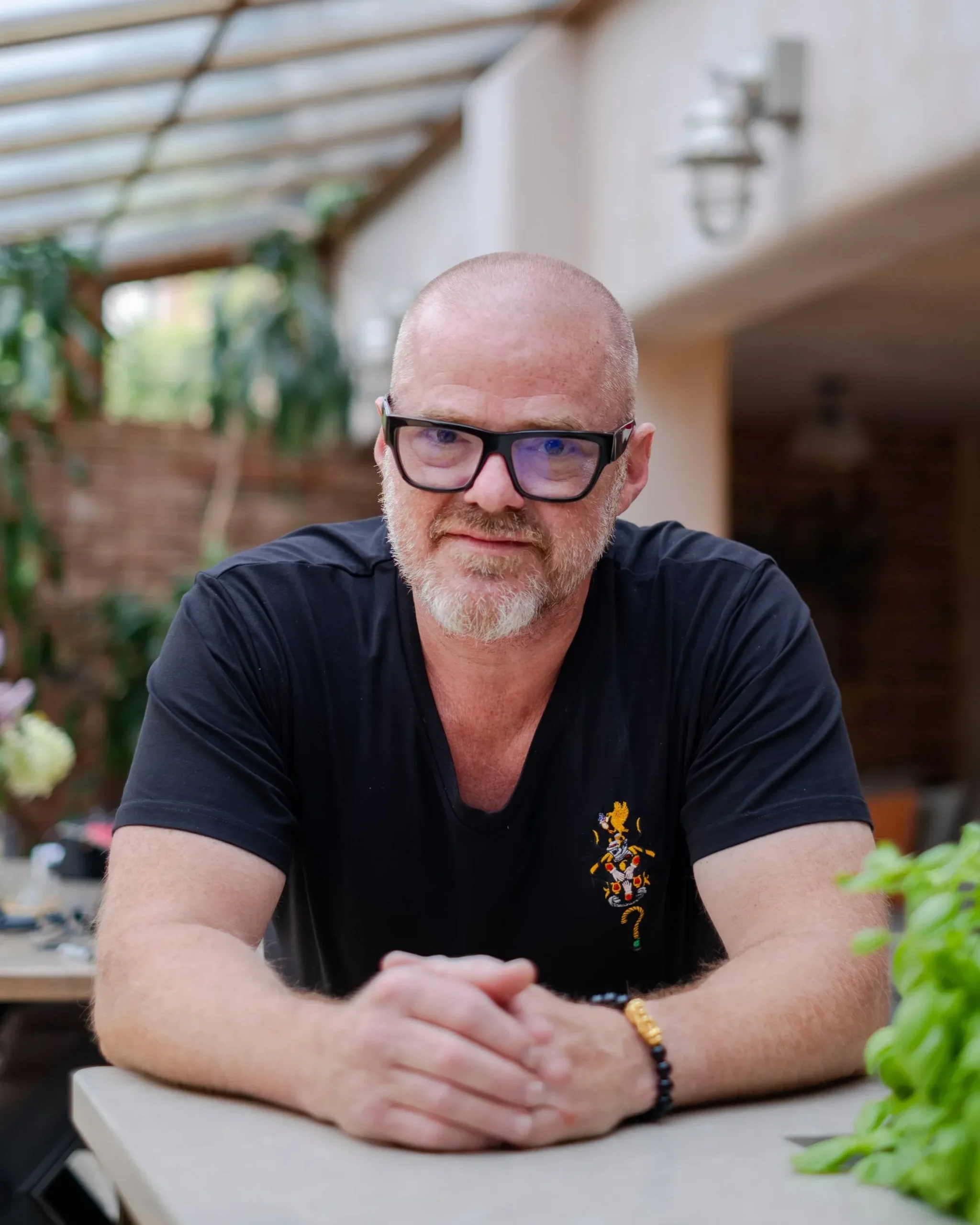
Heston Blumenthal Net Worth
Heston Marc Blumenthal OBE, born 27 May 1966 in London, is a British chef, restaurateur, television personality, and food writer celebrated for his pioneering work in molecular gastronomy, multi-sensory dining, and experimental cuisine. Self‐taught in large part, he rose from humble beginnings to global acclaim thanks to his flagship restaurant, The Fat Duck, inventive methods think flavour pairing, scientific cooking, culinary chemistry, and media ventures. His name is synonymous with daring gastronomic innovation, unusual flavour combinations (snail porridge, bacon and egg ice cream, etc.), and pushing the boundaries of what fine dining can be.
Net Worth (Latest Figure)
As of mid-2025, public estimates place Heston Blumenthal’s net worth in the range of US$5 million to US$10 million. Some sources, such as CelebrityNetWorth, list it at around $5 million as of June 2025, while others, projecting from his restaurant portfolio and media earnings, suggest closer to $10 million.
Income Sources
Blumenthal’s wealth (or “worth” in terms of assets and revenue) comes from several distinct but interlinked streams:
- Restaurants: His primary income arises from his fine dining restaurants, particularly The Fat Duck in Bray, Dinner by Heston Blumenthal in London (and abroad), The Hind’s Head (gastropub style), The Perfectionists’ Cafe, and other associated ventures. These Michelin-starred venues generate revenue from high-end diners, tasting menus, and experiential dining.
- Television and Media: Blumenthal has hosted and appeared in many food and cooking shows (“Kitchen Chemistry”, “In Search of Perfection”, “Heston’s Feasts”, etc.), which bring in endorsement fees, rights, and royalties.
- Cookbooks and Food Writing: Publishing books, recipe collections, and food science explanations contributes via sales, royalties.
- Product Lines and Brand Partnerships: Previously, Blumenthal had product lines (for example, with Waitrose) and licensing deals. These include gourmet food products, special editions, and endorsements. However, some lines have been discontinued.
- Investments and Real Estate: Though less documented publicly, maintaining flagship properties (restaurants, lab/research kitchen), ownership of restaurants in prime locations adds asset value and may generate rental or property appreciation.
Career Highlights
- Opened The Fat Duck (Bray, Berkshire) in 1995 after buying a rundown pub (The Ringers / The Bell) and converting it into a fine dining establishment.
- The Fat Duck gained its first Michelin star in 1999, second in 2001, and third in 2004. Since then, it has remained one of the UK’s signature three-star restaurants.
- Acquired The Hind’s Head pub in 2004, converting it into a gastropub with traditional British cuisine and receiving a Michelin star as well.
- Opened Dinner by Heston Blumenthal in London in 2011; later expanded the concept to include historical British dishes researched through archives and historians.
- Experiments in cooking methods: flavour pairing, molecular gastronomy, multi-sensory dining, experimentation with unusual textures and sensory experience. Cookbook publications and media reinforced his reputation as a culinary innovator.
- Awards and honours: multiple Michelin stars, OBE (Officer of the Order of the British Empire), honorary fellowships, etc.
Assets (real estate, cars, companies)
Publicly verifiable assets include:
- Restaurant Properties: The buildings housing The Fat Duck, The Hind’s Head, and Dinner by Heston Blumenthal are key assets. High-value real estate in Bray and London.
- Research Kitchen / Laboratory Facilities: Blumenthal uses a lab near The Fat Duck for experimentation; this is part of his operations and contributes to asset value.
- Business Ownership / Companies: He owns his restaurants (including company structures or holding companies, e.g., SL6 group for his restaurant group) and past product lines/partnerships.
- Intellectual Property: His cookbooks, recipes, trademarks, and media rights have value. Not always quantified, but contribute.
Regarding cars, personal luxury possessions, etc., there is less credible public documentation; many reports focus more on his gastronomic creations, media profile, and restaurant empire than on his personal car collections.
Liabilities / Debts
Some liabilities and financial challenges are publicly known:
- He came very close to bankruptcy at various stages: early days of The Fat Duck and during expansions. He has mentioned selling possessions (house, car) to keep ventures afloat.
- Recent financial pressures: reports surfaced in 2025 of losses from restaurant operations. For example, Blumenthal’s restaurant group (which includes The Fat Duck, Dinner by Heston, Hind’s Head) via holding company SL6 had reported losses in prior years.
- Operational costs are very high in fine dining: staffing, ingredient sourcing (for molecular and experimental cuisine), rent, regulatory compliance, etc. These ongoing liabilities reduce net income margins.
Net Worth Timeline
| Year | Approximate Net Worth / Key Event |
| 1995 | Opens The Fat Duck from a pub; early investment and risk. |
| 2004-2005 | Gains 3 Michelin stars; The Fat Duck is named the best restaurant in the world (2005). Big rise in profile. |
| 2010-2014 | Expansion: new restaurants (Dinner, Perfectionists’ Cafe, etc.), more TV shows, books, product lines. Likely peak growth in revenue and worth. |
| 2021 | Some estimates (in less detailed sources) had net worth closer to $10 million, recognizing increased costs and perhaps lower profitability. |
| 2025 | Public estimates diverge: some sources list $5 million, others $10 million; offset by recent losses reported from restaurant operations. Liabilities increasing. |
Comparison with Peers
To give context, comparing Heston’s wealth, style, and business model with other chefs:
- Compared with UK contemporaries like Gordon Ramsay, Jamie Oliver, Amanda Freitag, etc. Blumenthal is less commercially diversified (fewer franchises), more focused on gastronomy, creative experimentation, and high-end fine dining rather than broad mainstream product lines.
- His net worth is lower than some celebrity chefs who have large media empires, mass-market food brands, licensing, TV endorsements, and merch.
- Versus American celebrity chefs: those with food networks, cooking shows, and chain restaurants tend to accumulate more wealth owing to broad licensing and media scale. Blumenthal’s model is more niche, high prestige, and less mass market.
- In terms of culinary influence, he is a peer to the top experimental chefs worldwide; in terms of wealth, he seems mid-tier among celebrity chefs in the global context.
Future Predictions
- Blumenthal’s net income and asset value may likely come under increasing pressure due to rising costs in staffing, supply chains, real estate, and other operational expenses, especially for high-precision cooking and molecular gastronomy.
- If his restaurants adapt (for instance, smaller tasting menus, more localized sourcing, or hybrid dining experiences), profitability may stabilize. Tech or innovation in food science may offer new revenue opportunities, e.g., flavour partnerships, virtual dining, and immersive experiences.
- More media or content creation (shows, streaming, collaborations) could increase income via royalties and endorsements.
- Health and mental well-being might factor: Blumenthal’s openness about bipolar disorder suggests personal costs and possibly affects business decisions; managing those well is key to long-term, sustained income.
- He may also expand internationally, license concepts, or open more Dinner by Heston Blumenthal locations abroad to tap into growing high-end dining markets in Asia, the Middle East, etc.
Personal Life
- Blumenthal was born in London, raised in a family with no formal culinary background. His early culinary inspiration came from a family holiday in France at age 16, where fine dining made a deep impression.
- He is married, has children, and outside of cooking maintains a strong interest in food history, science, research, and pushing boundaries.
- Mental health has been a topic: he has publicly discussed his diagnosis with bipolar disorder, and how that has impacted his creativity, work ethic, and life.
- Personal assets beyond his restaurants are less well documented; he appears to prefer reinvesting in his culinary ventures rather than flamboyant displays of wealth.